Our Story

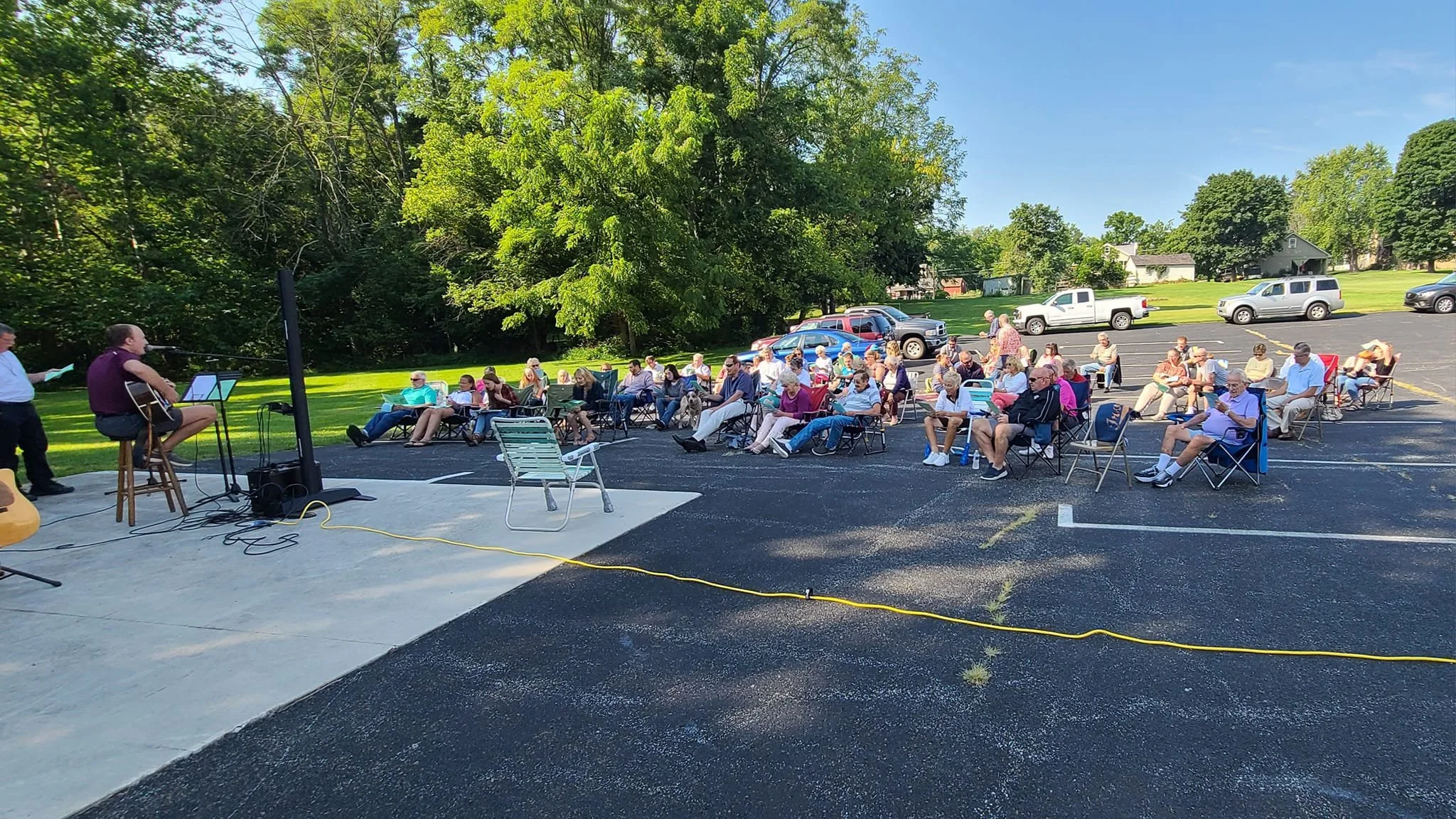
St. John's Church at New Chester is a congregation committed to glorifying God while we serve both our members and the surrounding community. Located in the village of New Chester, PA (New Oxford) our church offers worship services, educational programs, and outreach initiatives. We are passionate about fostering spiritual growth, building meaningful relationships, and making a positive impact in the world.
History of St. John’s
St. John's Church at New Chester began as a community of German Reformed Christians settling in northeastern Adams County. By the late 18th century, these folks began gathering themselves into worshipping congregations, often sharing church facilities with their Presbyterian, Methodist, and Lutheran neighbors in what became known as “union churches.” In New Chester, the Presbyterian and Methodist congregations melted away, leaving the German Reformed and Lutheran believers to share ministry resources until 1857 when they decided to part ways. After meeting in a community school for several years, the German Reformed congregation acquired land in the eastern part of the village of New Chester, building the beautiful stone sanctuary that is used to this day. That structure was finished and dedicated March 1, 1863.
While the Reformed congregation at New Chester had its own building, it continued to cooperate and share ministry resources with its Christian neighbors as clergy in the area often served many congregations at once. Pastors who served St. John’s in the late 19th century also served congregations in New Oxford and Abbottstown.
In 1934, the Evangelical and Reformed Churches merged to become one body. In 1957 this denomination merged with the Congregational Christian Church to become the United Church of Christ.
In 1938, a social hall and Sunday School building was constructed, and this structure was connected to the sanctuary by a second building venture in 2002.
In 2022, the congregation of St. John’s decided to withdraw from the United Church of Christ, as the UCC’s theology and agenda was becoming increasingly inconsistent with a biblically-informed orthodox understanding of the self, human sexuality, the dignity and value of human life, and marriage. St. John’s has since joined the Evangelical Association of Reformed and Congregational Christian Churches. St. John's remains committed to serving the needs of its congregation and the broader community, continuing to honor its historical legacy while embracing its future path.